
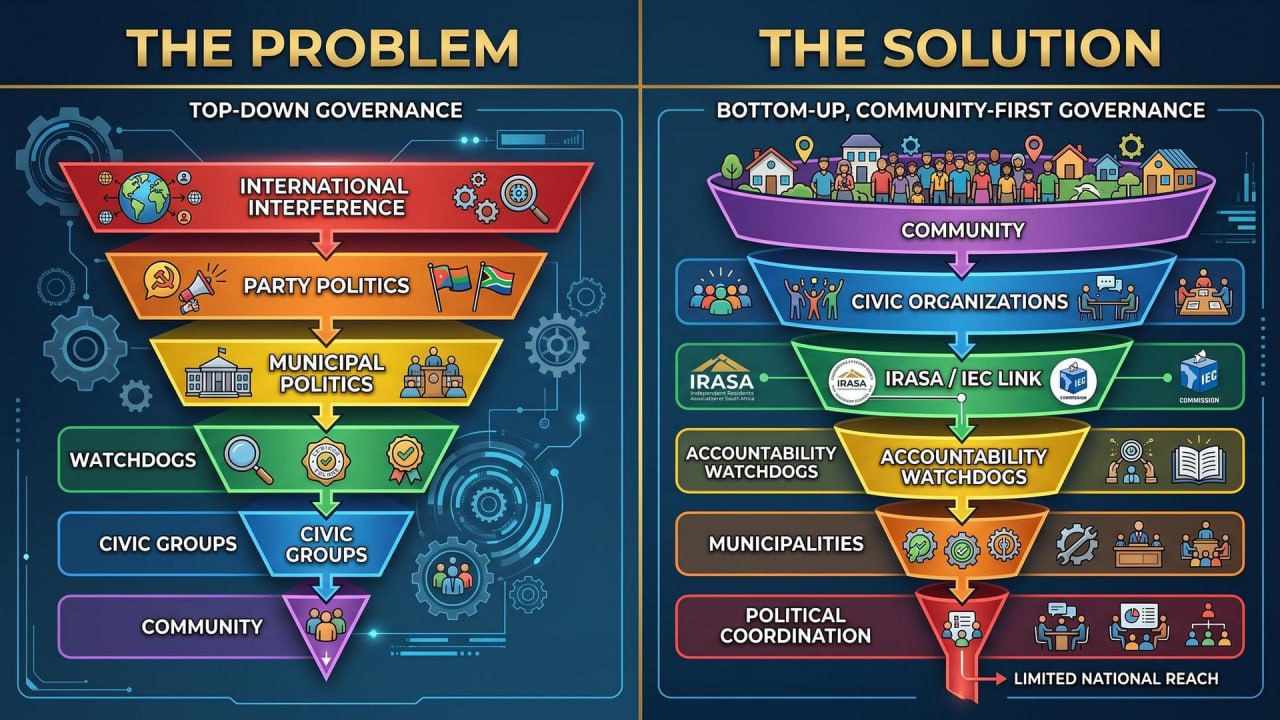
IRASA Organizational Structure
Powered By EmbedPress
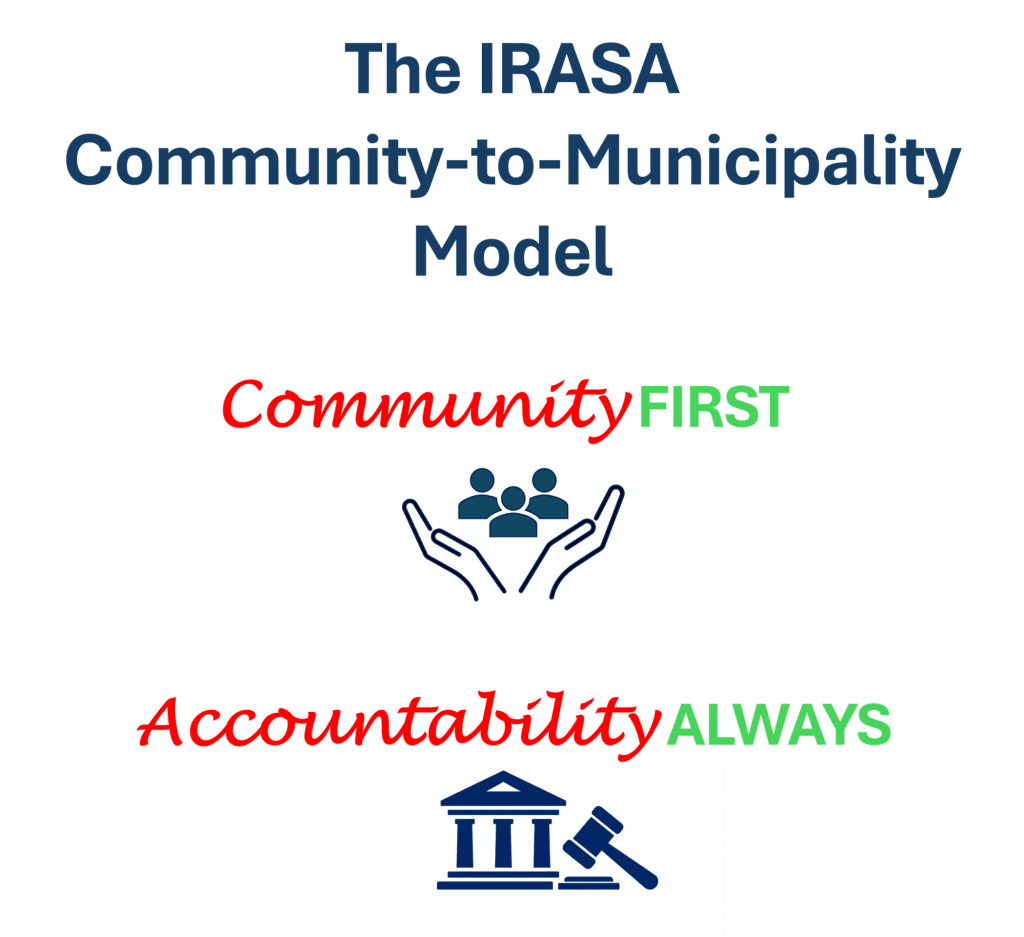
Community First: How the IRASA Model Works
Every town works best when its people remain at the centre of local governance.
The IRASA system is designed as a community-first accountability model. It connects residents, civic organisations, independent oversight bodies, municipalities and political representatives so that local needs are heard, public money is watched and service delivery remains the priority.
The central idea is simple: the community is not the last link in the chain. It is the reason every other level exists.
The six levels are shown from top to bottom in the IRASA structure. They are best understood as a network of roles and accountability, not as a corporate reporting line. Each organisation remains responsible for its own lawful mandate, while working towards a shared goal: better local governance for the community.
Questions residents may ask
Is IRASA a political party?
No. In this structure, IRASA is presented as an apolitical civic instrument.
It is intended to help community organisations focus on evidence, fair process, accountability and local service delivery rather than party allegiance.
Who is responsible for fixing a service-delivery problem?
The municipality remains responsible for responding through its lawful processes and service-delivery systems.
Civic organisations and IRASA help residents organise the issue, engage constructively and follow up on commitments.
When are watchdogs involved?
Watchdogs and formal accountability channels are relevant where there are serious concerns about public funds, conduct, corruption, repeated non-performance or a need for independent scrutiny.
Lorem ipsum dolor sit amet, consectetur adipiscing elit. Ut elit tellus, luctus nec ullamcorper mattis, pulvinar dapibus leo.

Watch the Video Series on the IRASA Governance Model
Residents, families, businesses, schools, churches and local groups define the real needs of the town.
The community is the foundation of the whole system. It includes the people who live, work, study, worship, own property and operate businesses in a town. Schools, businesses, churches, community groups and public institutions all exist within—and because of—the community.
In practical terms, this means that real-life experience matters. Residents are the first to notice a leaking pipe, unsafe road, missed refuse collection, unaffordable tariff or failing public facility. They also know what is working well and what will help a town thrive. The purpose of every other level is to listen to that experience, turn it into constructive action and report back clearly.
Ratepayer and property-owner associations are the civic organisations closest to the community. They help residents move from isolated complaints to a clear, collective voice. They can gather evidence, identify patterns, explain local processes and engage the municipality in an organised, respectful way.
These organisations are not a replacement for residents. They are a channel through which residents can participate more effectively. Their role is to represent community concerns, oversee local governance from a civic perspective and keep the focus on practical outcomes rather than personalities or party politics.
In simple terms: a civic association helps a community speak with one clear, informed voice.
IRASA is presented in this model as the apolitical civic instrument that connects and supports local ratepayer and property-owner organisations. “Apolitical” does not mean ignoring public issues. It means focusing on the community’s interests without being controlled by, or acting for, a political party.
The IEC link should be explained carefully. It represents a commitment to lawful democratic processes: residents retain the right to choose their political representatives through free and fair elections. The Electoral Commission of South Africa is an independent constitutional body that manages elections, maintains the voters’ roll and declares results; it does not direct civic associations or take over municipal service delivery. 1
For website clarity, IRASA can be described as a guardrail against party-political capture of community issues. It helps keep civic participation centred on facts, fairness, transparency and the needs of residents.
Public money must be spent carefully and services must be delivered properly. This level brings together the accountability organisations and institutions shown in the structure, including MossRates, the Auditor-General, Accountability Now, Corruption Watch, the SAPS, Parliament and OUTA.
Their functions are not identical, but the shared purpose in this model is accountability. They provide different ways to examine concerns, raise alerts, investigate wrongdoing, challenge waste or corruption, and demand explanations where service delivery fails. This level strengthens the community’s ability to ask: What happened to the money, what was promised, and what has been delivered?
In simple terms: this is the level that helps make sure public resources are used for the public good.
Municipalities are the service-delivery bodies that residents deal with most directly. From the community’s point of view, this is where everyday matters such as infrastructure, municipal administration, planning and local services must be addressed. South African local government is responsible for supporting local economies and providing infrastructure and services, while district municipalities have an important wider role in district-wide planning and capacity building. 2
Within the IRASA model, the relationship between the community and the municipality is managed through structured civic engagement. Local associations bring verified concerns forward; IRASA supports a consistent, non-party-political approach; and the municipality remains responsible for responding through its lawful processes and service-delivery systems.
This is not about creating conflict with a municipality. It is about creating a disciplined working relationship in which residents can track commitments, understand processes and hold decision-makers to account.
Political representatives have an important—but clearly defined—role in the IRASA structure. They provide democratic oversight and help coordinate matters that affect more than one town in the district. The chart uses Garden Route First as an example of this coordinating role.
A road, water system, environmental concern, transport route or development issue may extend beyond one municipal boundary. In those cases, district-level coordination matters. Political representatives can help align discussion between towns, raise district-wide concerns and ensure that local issues receive appropriate attention in democratic structures.
In this community-first model, political representation supports coordination; it does not displace the community’s voice or take over the practical service-delivery role of the municipality.
How the system works in everyday life
A resident does not need to understand every institution to participate. The process should be easy to follow.
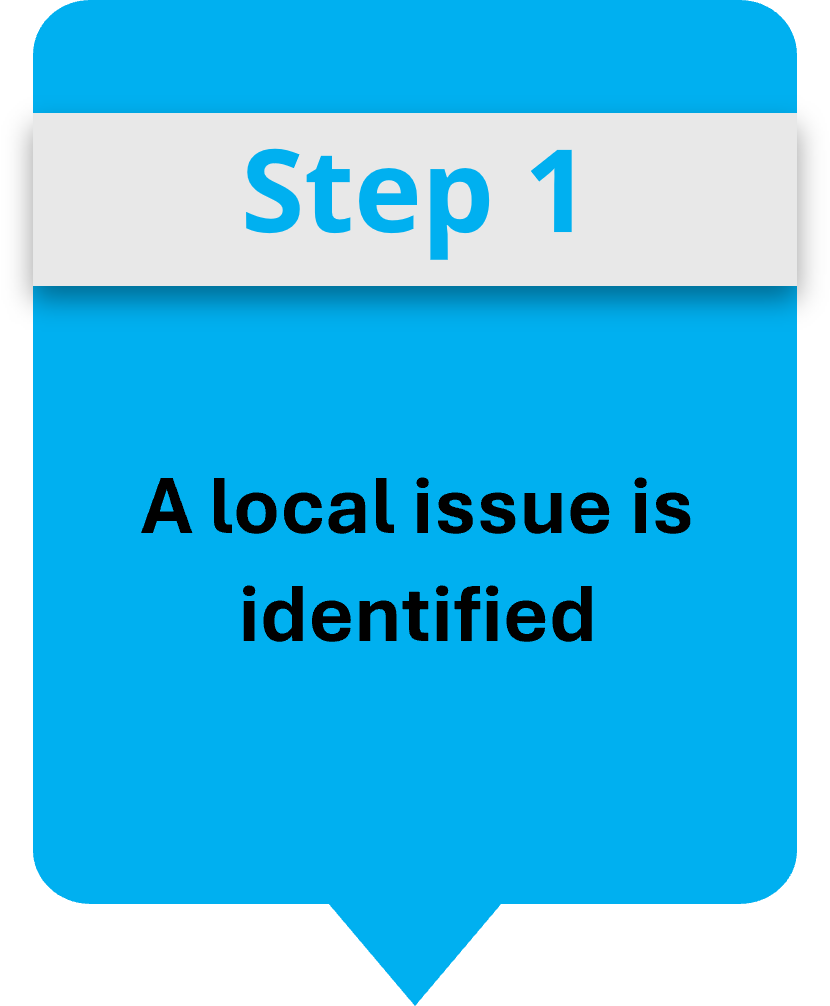
Residents raise a concern or opportunity affecting their street, neighbourhood or town.
The system starts with real community experience.
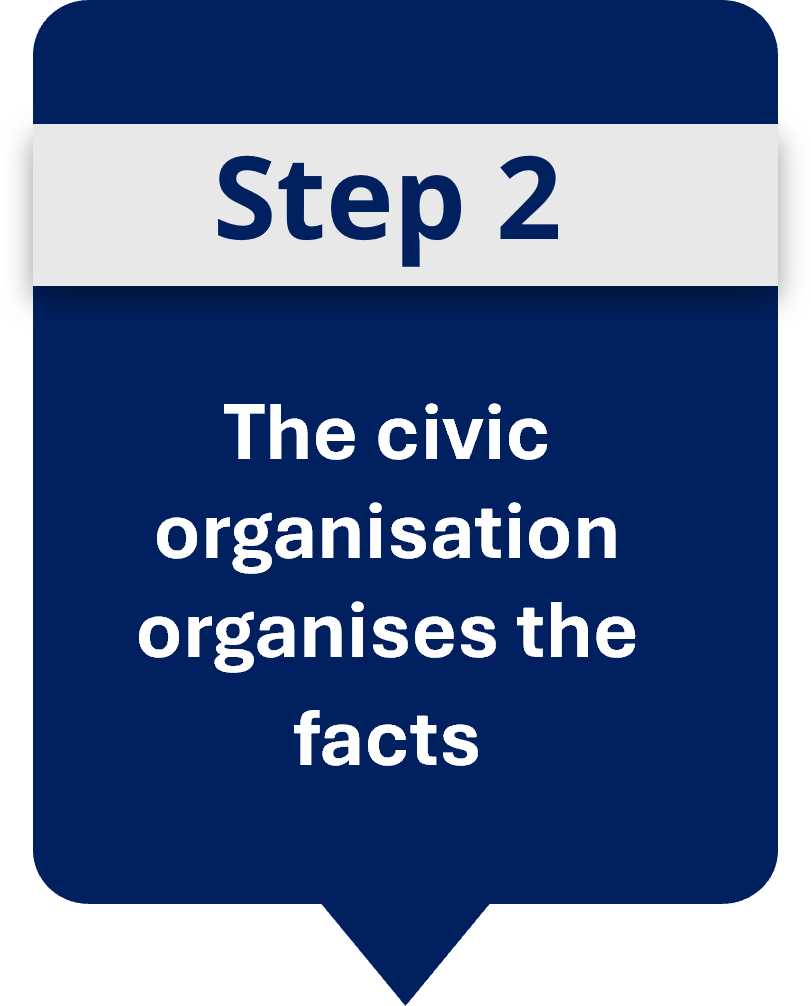
A ratepayer or property-owner association gathers evidence, identifies the correct municipal process and represents the shared concern.
Clear facts make engagement more constructive and effective.
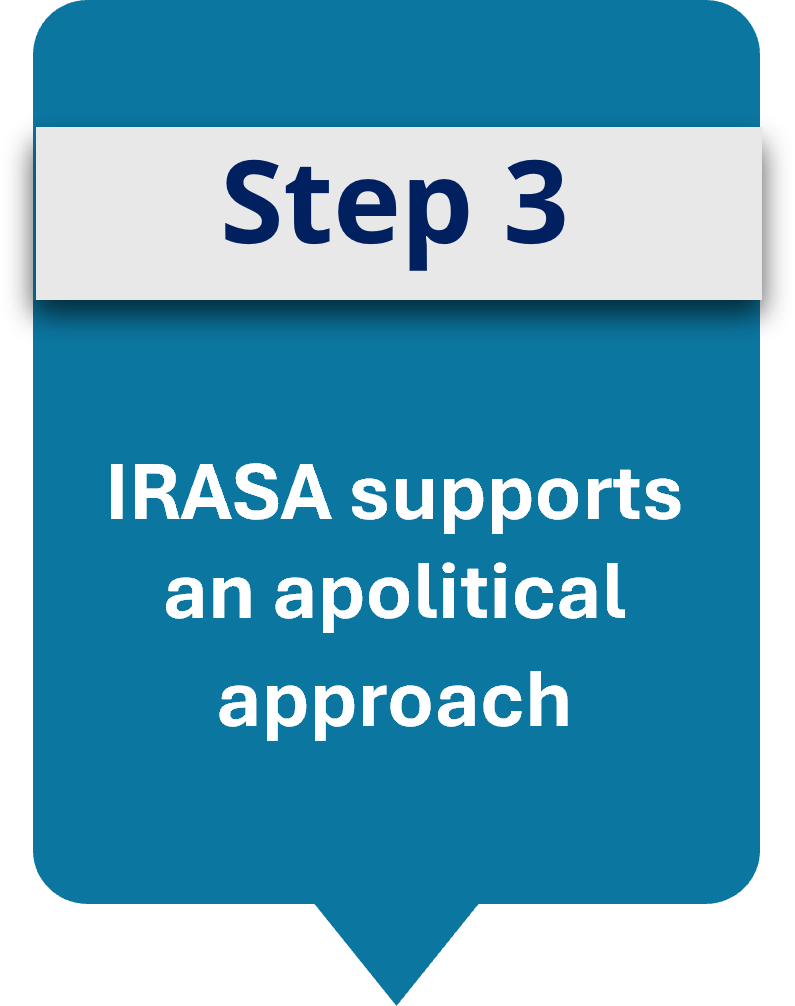
IRASA helps keep the focus on community outcomes, consistency and fair process rather than party allegiance.
The issue remains about service, governance and residents.
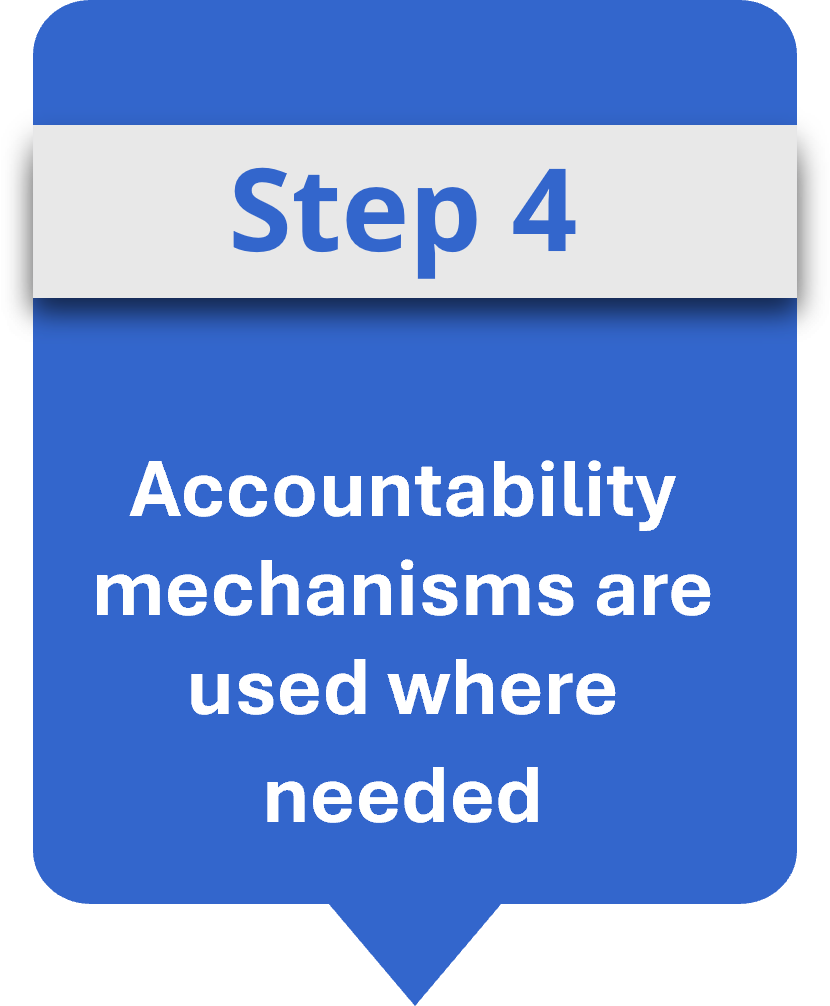
Watchdogs and formal oversight channels can be approached when there are serious concerns about public money, conduct or non-performance.
There is a route for scrutiny when ordinary engagement is not enough.
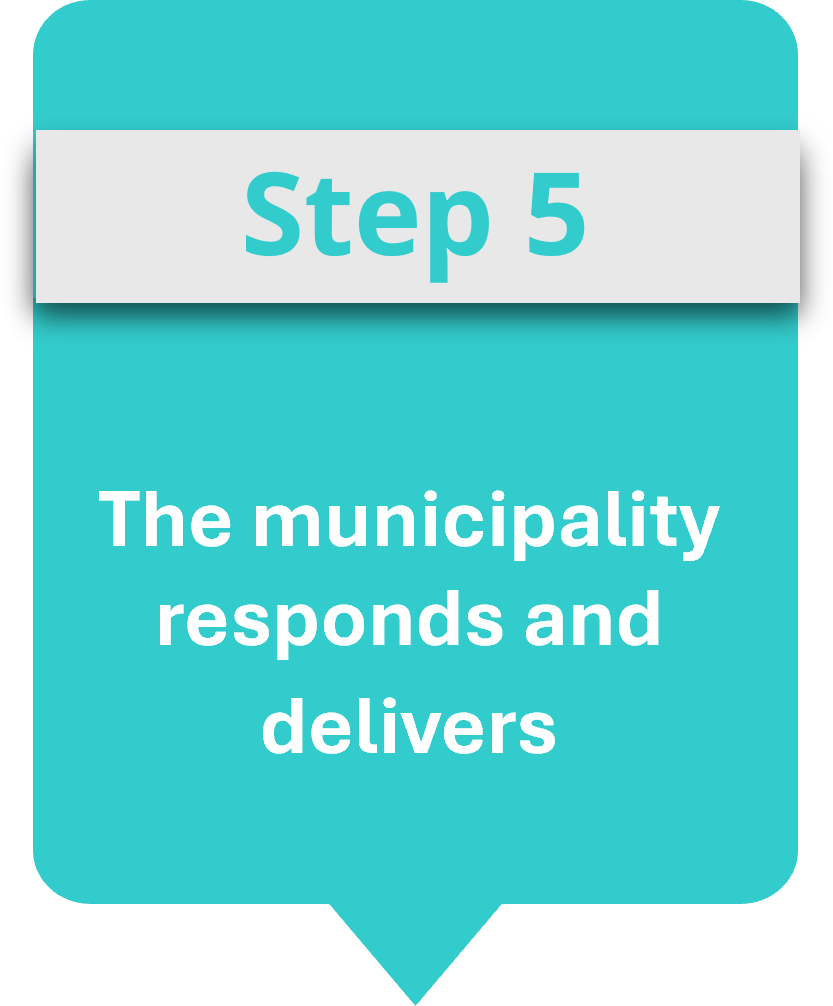
The municipality considers the matter through its lawful administrative, budgeting and service-delivery systems.
The responsible authority remains answerable for action and results.
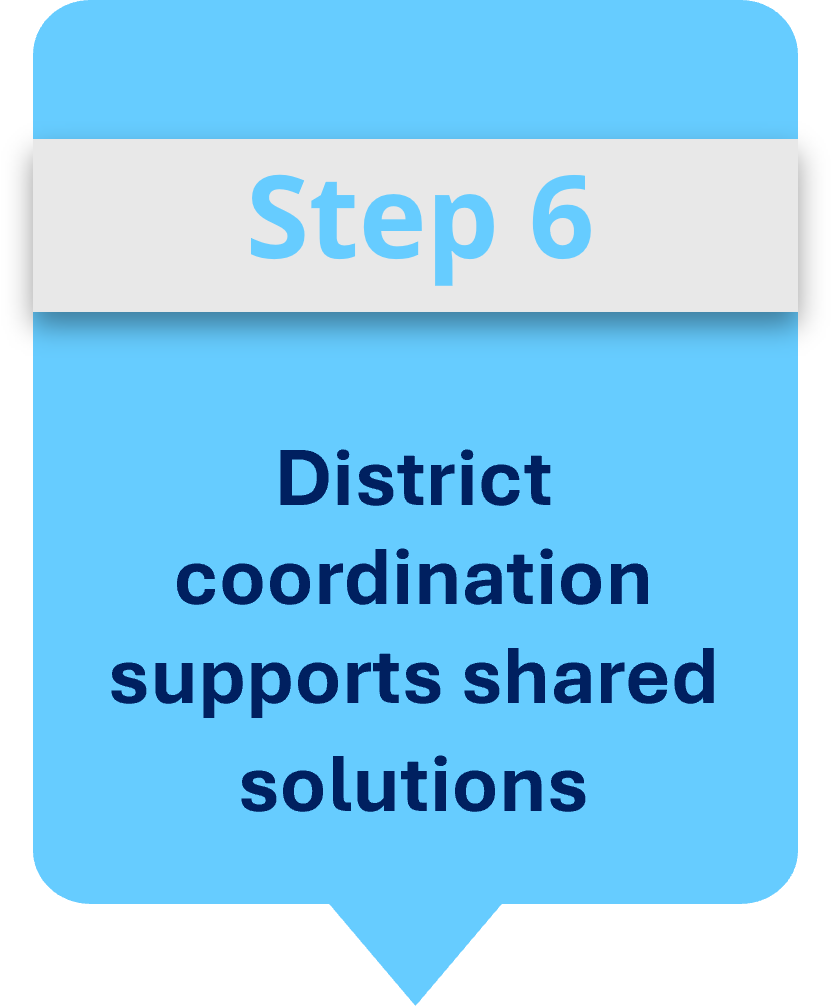
Where an issue affects several towns, political representatives coordinate oversight and discussion at district level.
Problems that cross boundaries can be addressed as shared challenges.
What this model means for residents
The IRASA system is intended to make local governance easier to understand and harder to ignore. A resident should know where to raise a concern, who represents the community, who monitors public funds, who must deliver services and who coordinates issues across the district.
It also makes an important distinction: community organisations, municipalities, watchdogs and political representatives have different jobs. No single level should do everything. When each role is clear, the community has a stronger voice and local government has a clearer path to deliver.
Your community.
Your voice.
Your accountability.
If you care about the future of your town, get involved through your local civic organisation.
Share verified concerns, attend meetings, follow municipal processes and help build a culture in which public service remains accountable to the community it serves.